
Scientific Practice Meets Folk Wisdom
All Creatures Great and SmallThis flow traces the recurring contest between veterinary training and inherited remedies, including occasions when experience proves more complicated than either side expects.
increasing Bearing strength in each event
 decreasing
Bearing strength in each eventdecreasingThe Cow That Would Not Rise
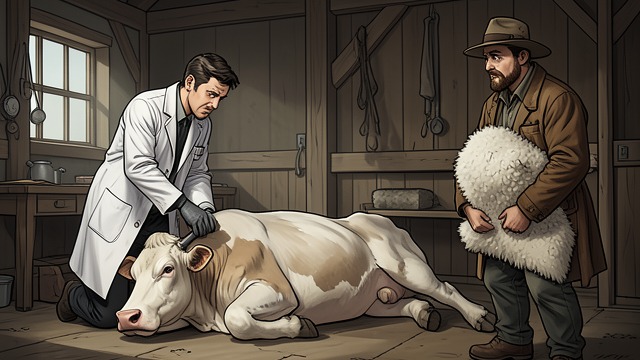
The Cow That Would Not Rise
Scientific Frustration
Herriot treats a cow with milk fever, then struggles to explain why she remains down. Mr. Handshaw proposes remedies inherited from his father, including shouting and the folk belief in a “worm in the tail.”
A Mistaken Conclusion
Herriot detects pelvic looseness and believes the cow has a broken pelvis. He recommends slaughter, only to learn that a fresh sheep skin has prompted her to rise.
The Veterinarian Learns Humility
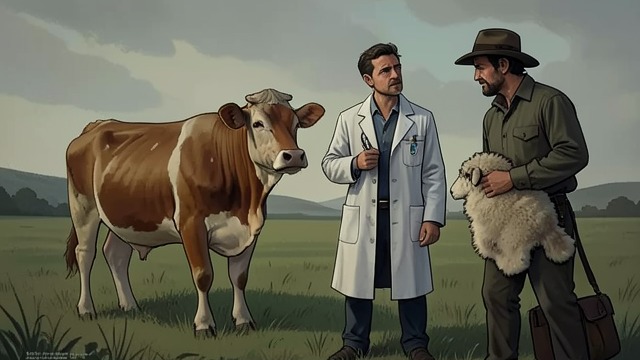
The Veterinarian Learns Humility
Reversal
The cow is up and apparently well. Herriot’s diagnosis was mistaken, while the traditional sheep-skin treatment may have helped stimulate the animal.
A Fine Dividing Line
Siegfried Farnon explains the limits of what Herriot could have known and reminds him that professional confidence can turn quickly into humiliation. Herriot learns that experience must include the ability to revise judgment.
A Wider Professional Lesson
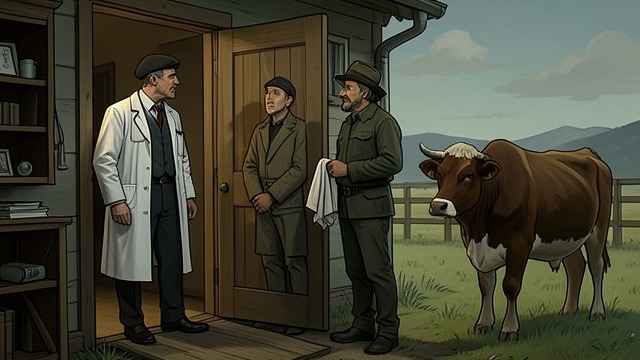
A Wider Professional Lesson
Competing Knowledge
Farmers, relatives, and local experts regularly offer confident advice about animal disease. Some remedies are ineffective, some accidentally appear to work, and some contain a practical insight Herriot initially overlooks.
Judgment, Not Arrogance
The book does not treat folk wisdom as a replacement for veterinary knowledge. Instead, Herriot’s experience teaches him to test claims carefully and remain modest when evidence is uncertain.
During Herriot’s first year in the Dales
The morning after Herriot declares the cow hopeless
Across Herriot’s accumulating cases
